What happens when a room needs to change?
DESIGN MATTERS 02
A series of design stories from Chart Interiors, exploring the ideas, people and products behind the manufacturers we represent. In this edition, we turn the spotlight on LAMM.
We design buildings to last. But increasingly, the spaces within them need to do something rather different: adapt.
A lecture room becomes a collaborative workspace. A meeting space becomes a presentation room. A training environment may need to accommodate entirely different groups and ways of working from one hour to the next.
For architects and designers, that creates an interesting challenge.
How do you design for a use that might change before the building does?
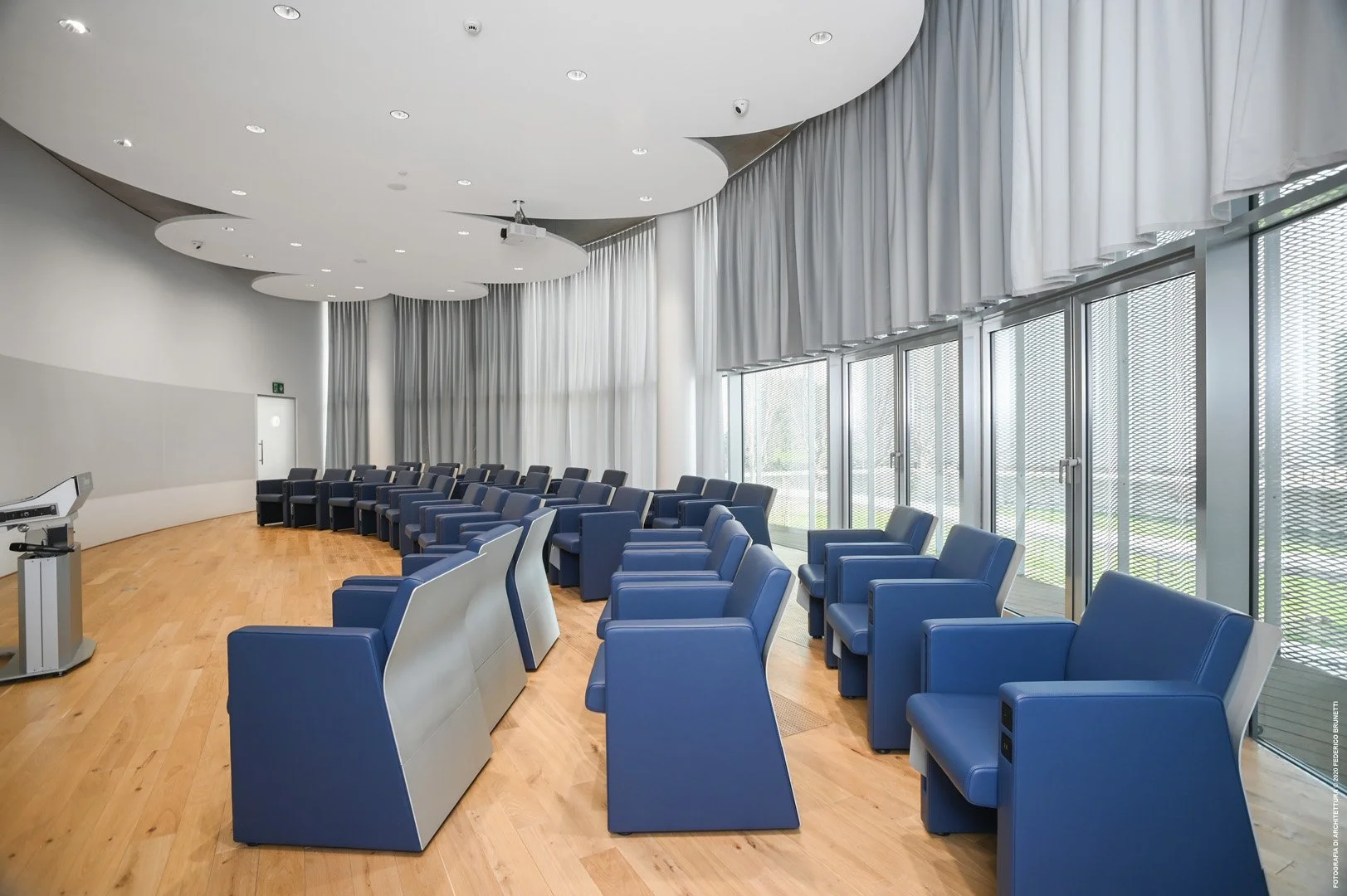
Flexa Move within a contemporary auditorium environment
At Chart Interiors, it’s one of the reasons we find LAMM’s approach to flexible spaces particularly interesting.
And one product provides a deceptively simple example.
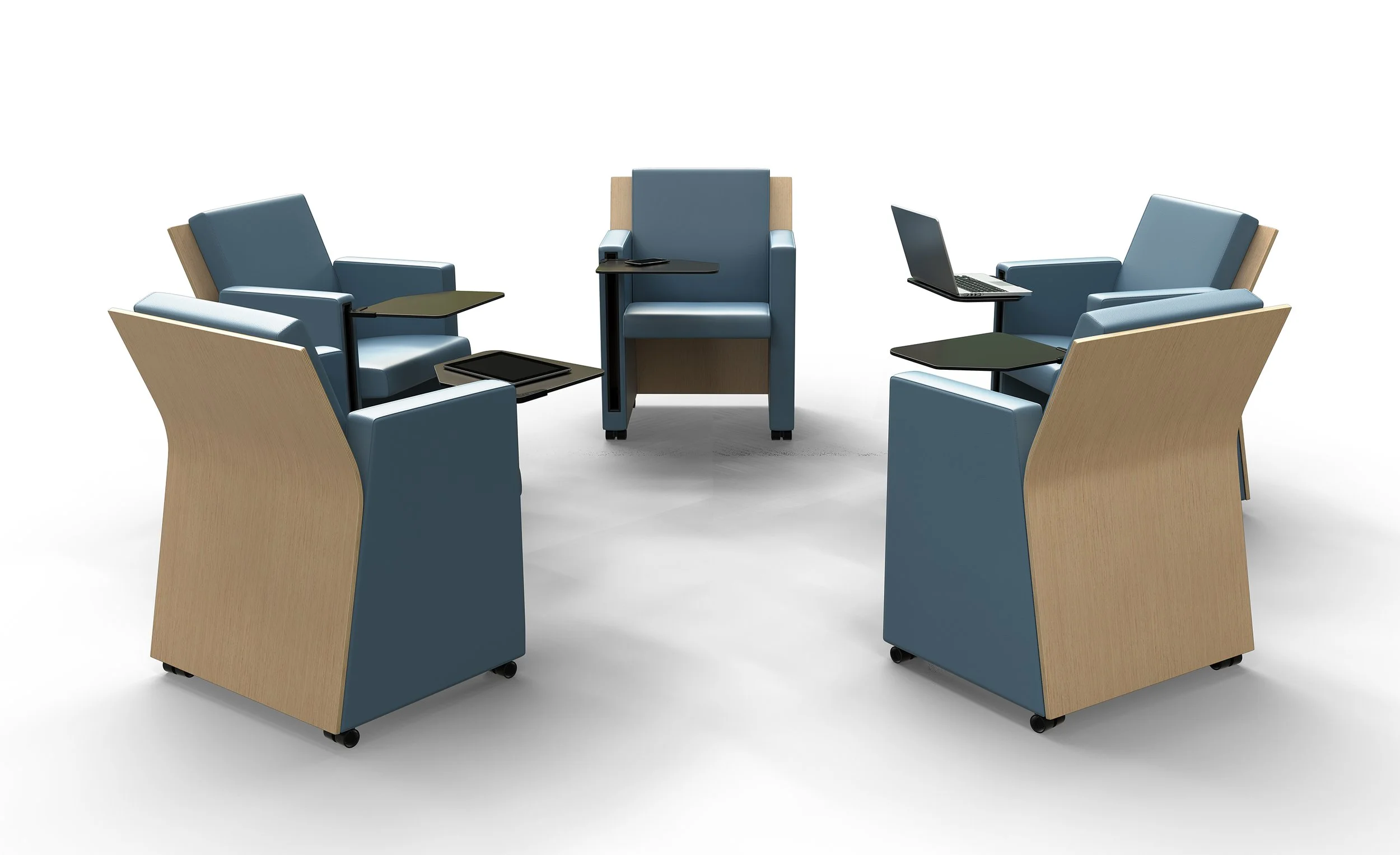
LAMM Flexa Move mobile seating with writing tablets, designed by Dante Bonuccelli
FLEXA MOVE
Designed by Dante Bonuccelli, Flexa Move takes the familiar idea of an auditorium or conference chair and removes one of its most fundamental constraints: its fixed position.
Its self-supporting structure and four swivel wheels allow individual seats to be moved and spaces to be reconfigured quickly, while an optional fold-away writing tablet allows the chair to function as an individual workspace.
The idea is simple, but the implications are rather bigger.
Instead of designing a room around a permanent furniture layout, what if the furniture could respond to the room?
DESIGNING FOR CHANGE
Buildings are long-term investments. The way we use them is not.
Teaching methods evolve. Teams move between individual and collaborative work. Technology changes. And spaces designed for one purpose are increasingly expected to accommodate several.
For architects and designers, flexibility therefore becomes more than simply making furniture movable. It is about reducing the fixed elements that determine how, where and when a space can be used.
Flexa Move addresses one of those constraints by allowing the seating itself to move with the needs of the space
But what happens when the furniture can move — and the technology can’t?
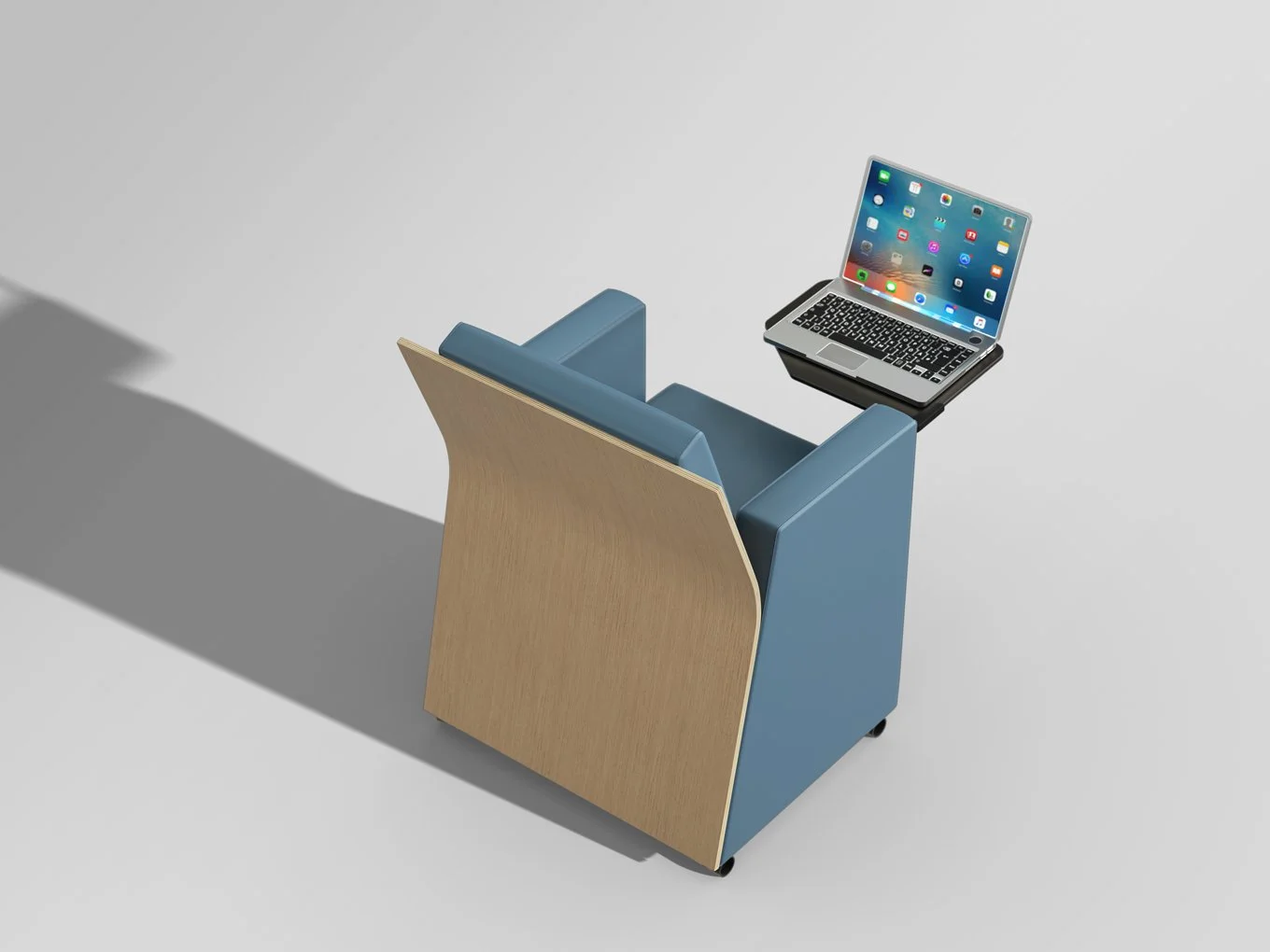
Flexa Move Battery with integrated rechargeable power
FLEXA MOVE BATTERY
In 2026, LAMM took the idea of flexibility one step further.
Flexa Move Battery integrates LAMM's patented rechargeable power technology within the chair, allowing laptops, tablets and other devices to be powered without connecting the seating to a fixed electrical supply.
It removes another physical constraint from the room: the cable.
For learning, meeting and collaborative environments, that means furniture and technology can move together — allowing layouts to change without the availability of floor boxes or wall sockets dictating where people can work.
True flexibility isn't simply about what can move. It's about what no longer needs to stay fixed.
SEE FLEXA MOVE IN ACTION
DESIGNING FOR WHAT COMES NEXT
Designing for the future doesn't necessarily mean predicting exactly what comes next.
It can also mean building in enough adaptability to respond to it — new technology, different ways of working, changing teaching methods or simply a different group of people.
Flexa Move is one example of how a relatively small design decision can have a much wider effect on the way a space performs.
Because sometimes designing for the future means leaving room for change.
Discover more with Chart Interiors
Chart Interiors represents a carefully selected portfolio of furniture manufacturers, connecting distinctive design with projects across the UK.
Explore the LAMM collection, or talk to us about flexible spaces for your next project